
Everything
Design
Step into the ODS Blog: a space where we imagine, prototype, and challenge the boundaries of learning. The future starts with questions — and we’re asking a lot of them.
Featured article
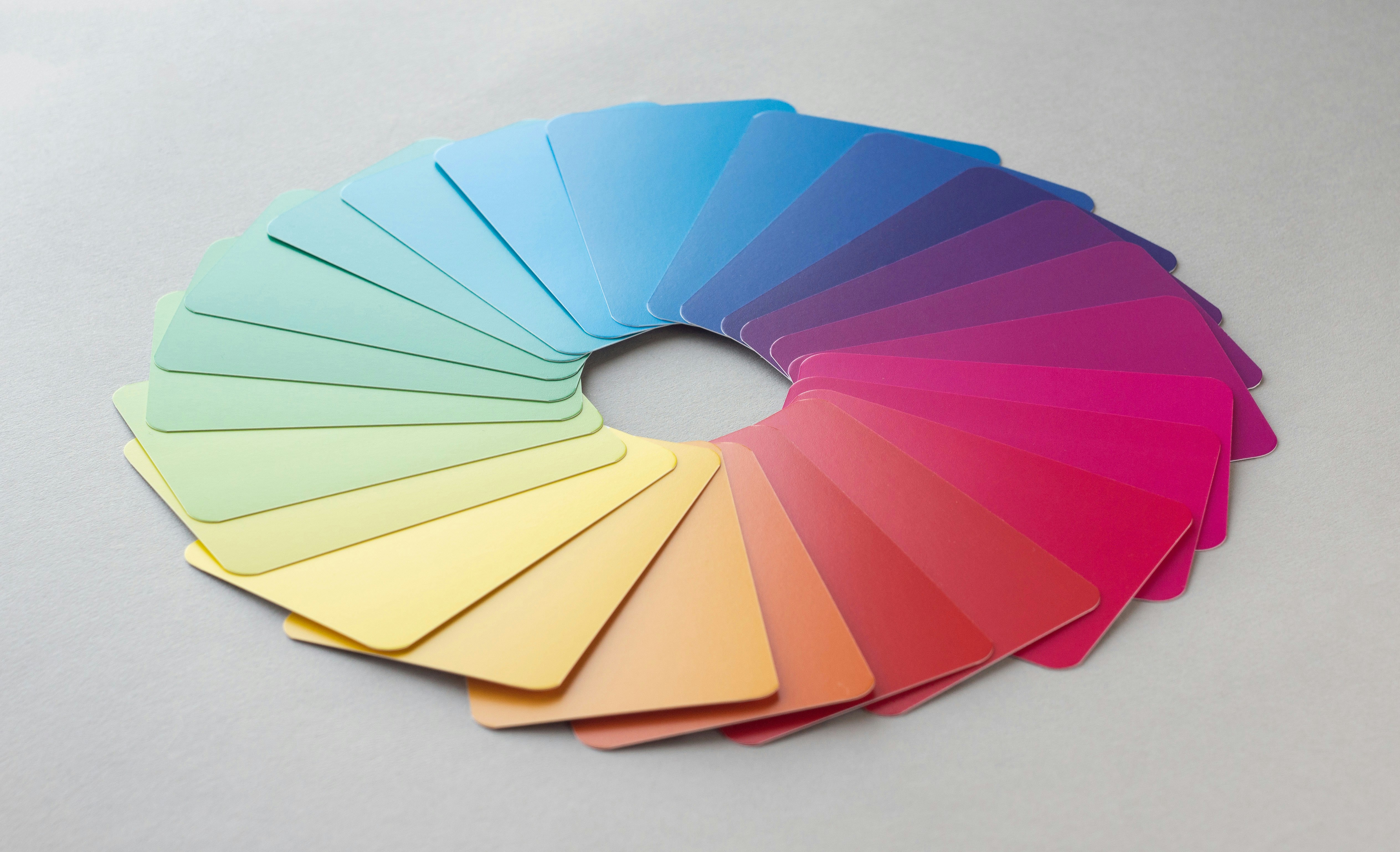
Understanding Color Theory
Color theory is the study of how colors interact and the emotional responses they evoke. It plays a vital role in design, influencing user perception and behavior.
Color Schemes
- Complementary: Colors opposite each other on the color wheel create vibrant contrasts.
- Analogous: Colors next to each other create harmonious designs.
- Triadic: Three colors evenly spaced on the color wheel offer a balanced look.
Applying color theory effectively can enhance the visual appeal and effectiveness of your designs.
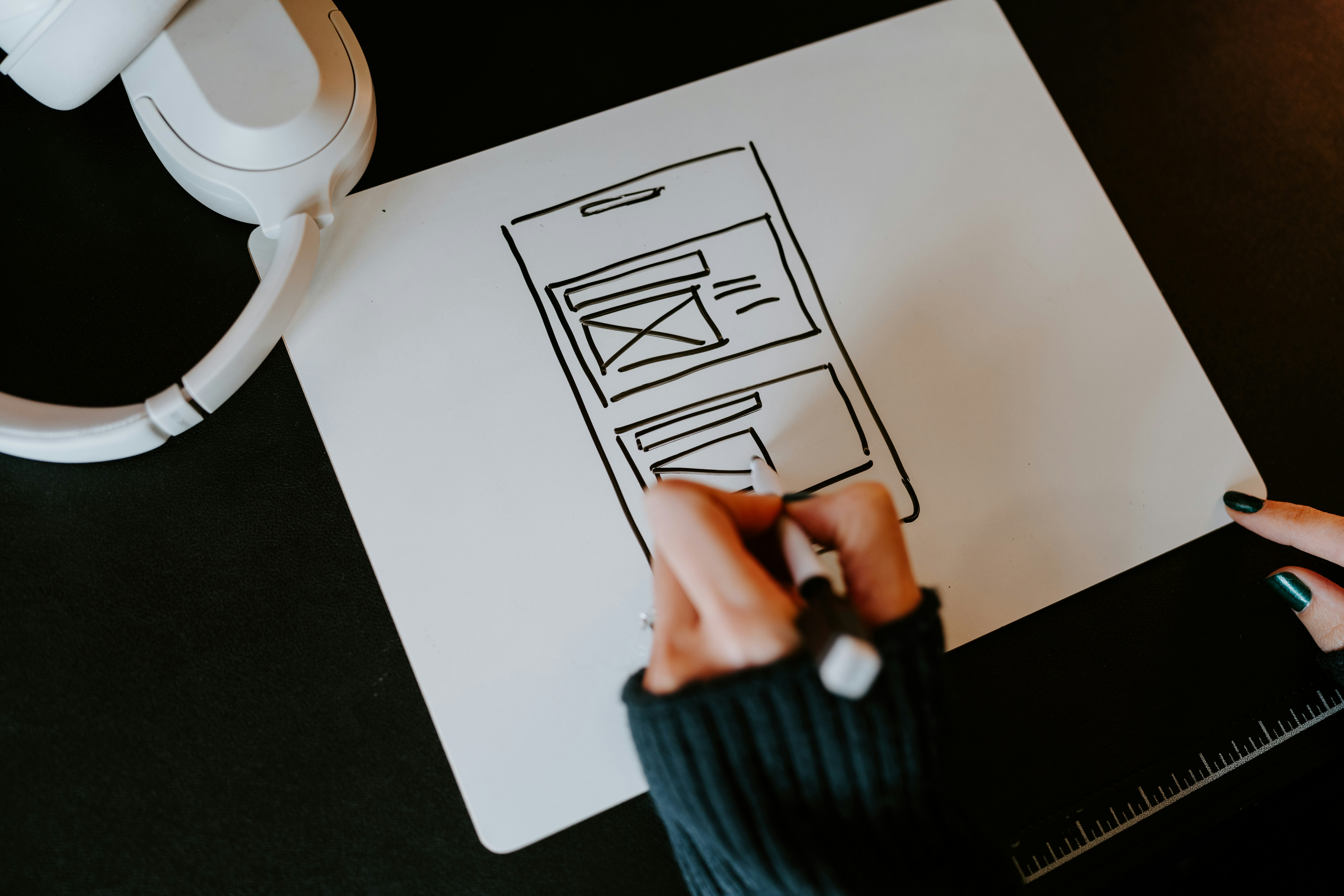
What is Responsive Design?
Responsive design is an approach that ensures web applications function well on a variety of devices and screen sizes. It is essential in today's multi-device world.
Key Principles
- Fluid Grids: Use relative units to create flexible layouts.
- Media Queries: Apply different styles based on device characteristics.
- Flexible Images: Ensure images scale appropriately within their containers.
By following these principles, designers can create websites that provide a seamless user experience across all devices.
Key Principles
- Fluid Grids: Use relative units to create flexible layouts.
- Media Queries: Apply different styles based on device characteristics.
- Flexible Images: Ensure images scale appropriately within their containers.
By following these principles, designers can create websites that provide a seamless user experience across all devices.
Key Principles
- Fluid Grids: Use relative units to create flexible layouts.
- Media Queries: Apply different styles based on device characteristics.
- Flexible Images: Ensure images scale appropriately within their containers.
By following these principles, designers can create websites that provide a seamless user experience across all devices.
Key Principles
- Fluid Grids: Use relative units to create flexible layouts.
- Media Queries: Apply different styles based on device characteristics.
- Flexible Images: Ensure images scale appropriately within their containers.
By following these principles, designers can create websites that provide a seamless user experience across all devices.
Key Principles
- Fluid Grids: Use relative units to create flexible layouts.
- Media Queries: Apply different styles based on device characteristics.
- Flexible Images: Ensure images scale appropriately within their containers.
By following these principles, designers can create websites that provide a seamless user experience across all devices.
Key Principles
- Fluid Grids: Use relative units to create flexible layouts.
- Media Queries: Apply different styles based on device characteristics.
- Flexible Images: Ensure images scale appropriately within their containers.
By following these principles, designers can create websites that provide a seamless user experience across all devices.
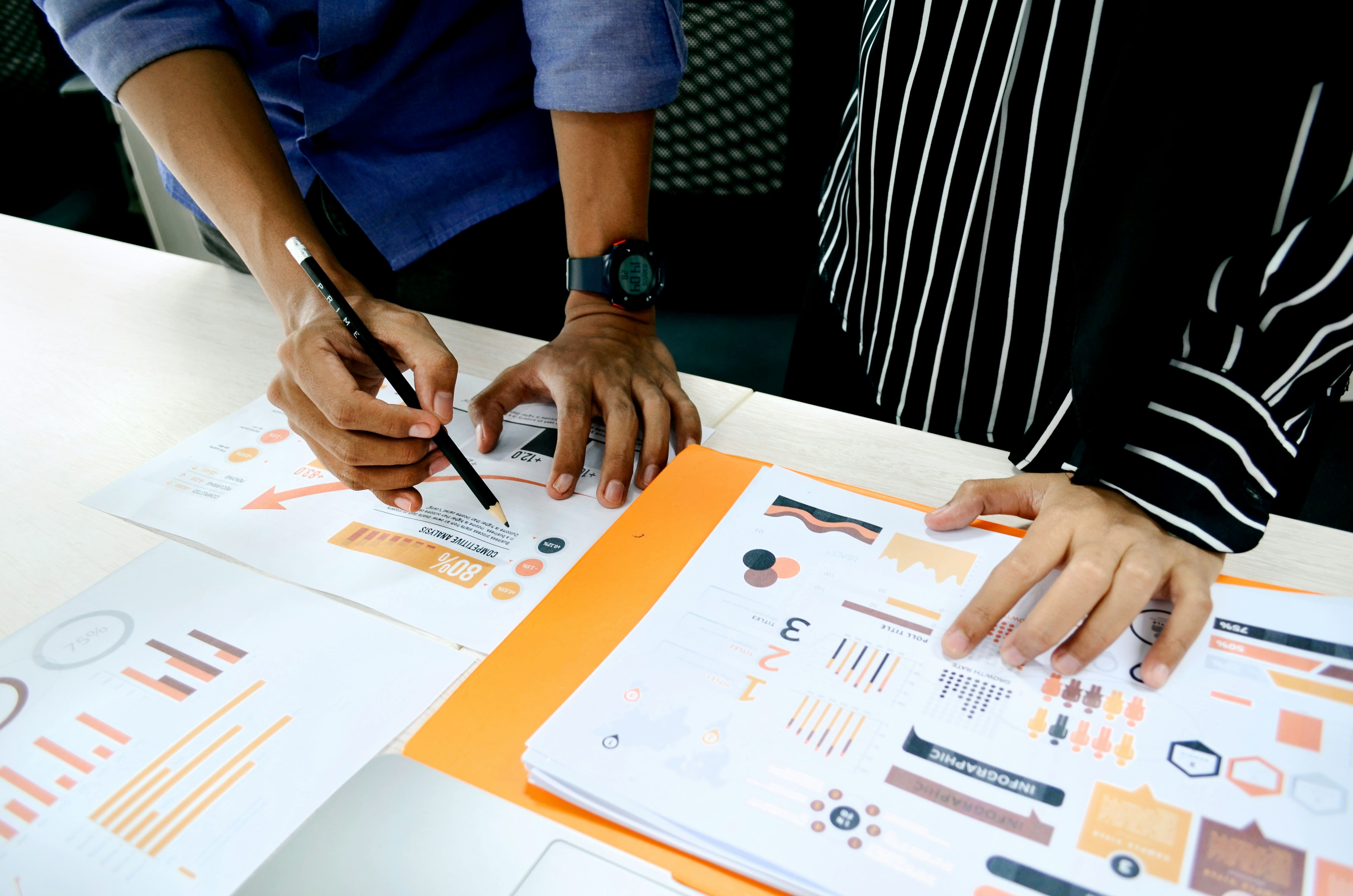
The Importance of User Research in Design
Design is not just about aesthetics — it's about solving real problems for real people. Whether you're building a mobile app, a website, a physical product, or a service, understanding your users is the first step toward creating something meaningful. This is where user research comes in — the foundation of user-centered design.
What Is User Research?
User research is the process of understanding user behaviors, needs, motivations, and pain points through observation, interviews, surveys, and other methods. It helps designers step into the shoes of their users, breaking assumptions and making design decisions based on evidence.
Why Is User Research So Important?
1. It Grounds Design in Reality
Designers often assume they know what users want. But assumptions can lead to products that are beautiful but unusable. User research exposes real user needs, goals, and challenges, keeping design grounded in reality instead of intuition.
2. It Uncovers Hidden Problems
Sometimes users themselves aren’t aware of their friction points until they interact with a prototype or are asked the right questions. Through contextual inquiries, usability testing, and ethnographic research, designers can discover unarticulated needs that wouldn’t surface otherwise.
3. It Guides Design Decisions
From deciding what features to prioritize to understanding interface preferences, user research provides concrete direction. Instead of designing based on trends, you design based on user data, which leads to better outcomes.
4. It Saves Time and Money
Fixing usability issues after launch can be expensive. Research early in the process allows teams to validate ideas before investing heavily in development. Catching problems early reduces rework and boosts ROI.
When Should You Do User Research?
Ideally, user research should be part of every stage of the design process:
- Before starting (to discover needs)
- During ideation (to validate ideas)
- During prototyping (to test usability)
- After launch (to improve future iterations)
Common User Research Methods
- User interviews
- Surveys and questionnaires
- Usability testing
- Card sorting
- Field studies
- Heatmaps and analytics
- A/B testing
Real-World Impact
Think of companies like Airbnb, Spotify, and Google. Their design teams deeply invest in user research, and it shows. From personalized interfaces to frictionless onboarding, their products reflect a deep understanding of user behavior — not just surface-level design.
Conclusion
User research isn’t a "nice-to-have" — it's a design essential. It empowers teams to create products that resonate with users, solve real problems, and deliver meaningful experiences. In a world where users have endless choices, designing without research is designing blindly.
So before you sketch your next wireframe or open your favorite design tool, ask yourself:
Do I know who I’m designing for — and why?

Understanding Visual Design
Visual design is about creating aesthetically pleasing and functional designs. It encompasses various elements such as color, typography, and layout.
Key Principles
- Balance: Distribute visual weight evenly across the design.
- Contrast: Use contrasting elements to draw attention and create interest.
- Alignment: Ensure elements are visually connected to create a cohesive look.
Mastering these principles can significantly enhance the quality of your visual designs.

Design Thinking in Product Development
What is Design Thinking?
Design thinking is a problem-solving approach that emphasizes empathy, creativity, and experimentation. It is particularly effective in product development.
Stages of Design Thinking
- Empathize: Understand the needs and challenges of users.
- Define: Clearly articulate the problem you are trying to solve.
- Ideate: Generate a wide range of ideas and solutions.
- Prototype: Create tangible representations of your ideas.
- Test: Gather feedback and refine your solutions.
By applying design thinking, teams can create innovative products that truly meet user needs.
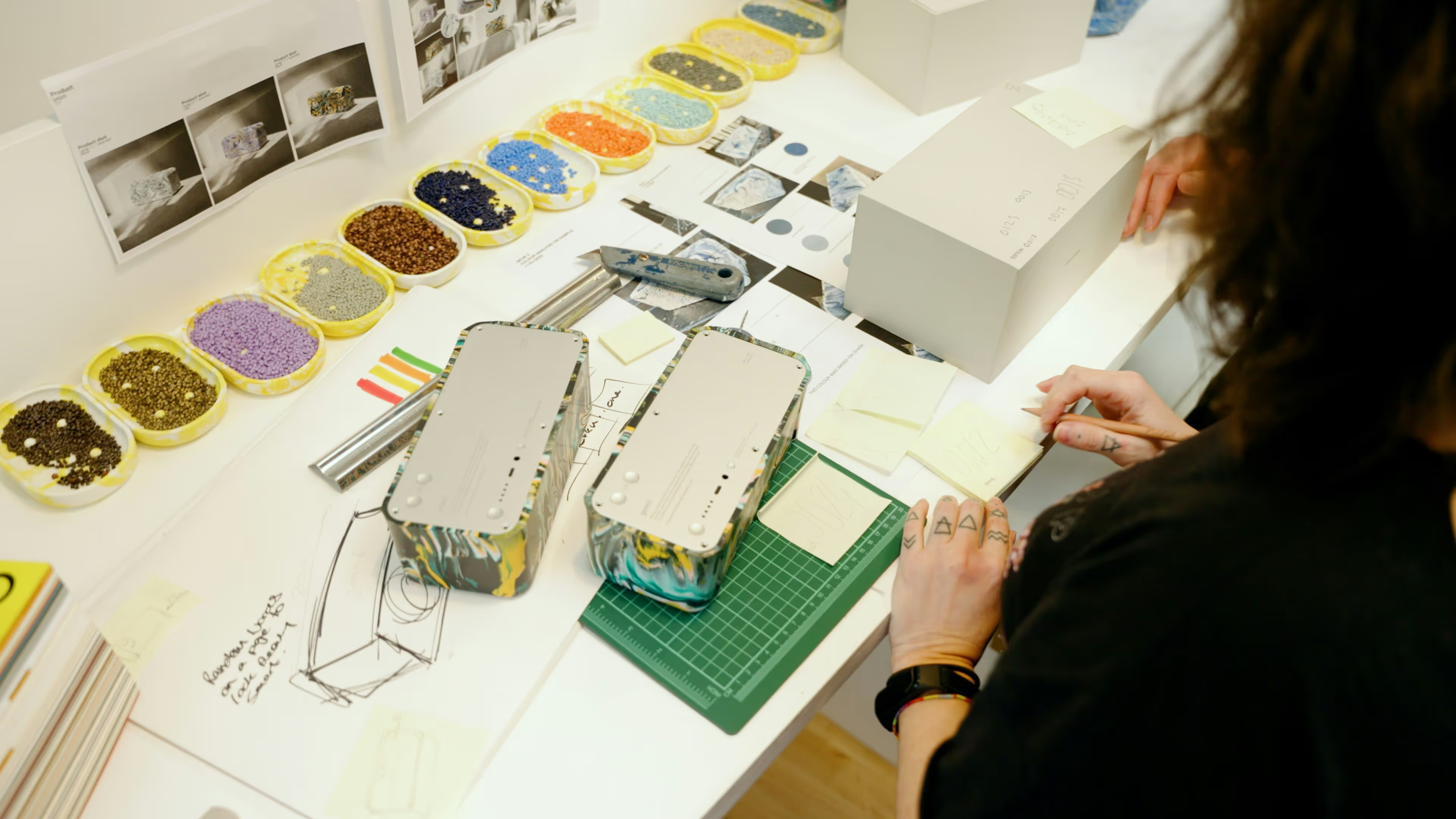
Why Prototyping Matters
Prototyping is an essential step in the design process, allowing designers to visualize and test their ideas before final production. It helps identify potential issues early on.
Benefits of Prototyping
- Improved Communication: Prototypes serve as a tangible representation of ideas, facilitating better discussions among stakeholders.
- User Testing: Early user feedback can guide design improvements.
- Cost Efficiency: Identifying flaws in the prototype stage can save time and resources later.
Incorporating prototyping into your design workflow can lead to more successful outcomes.
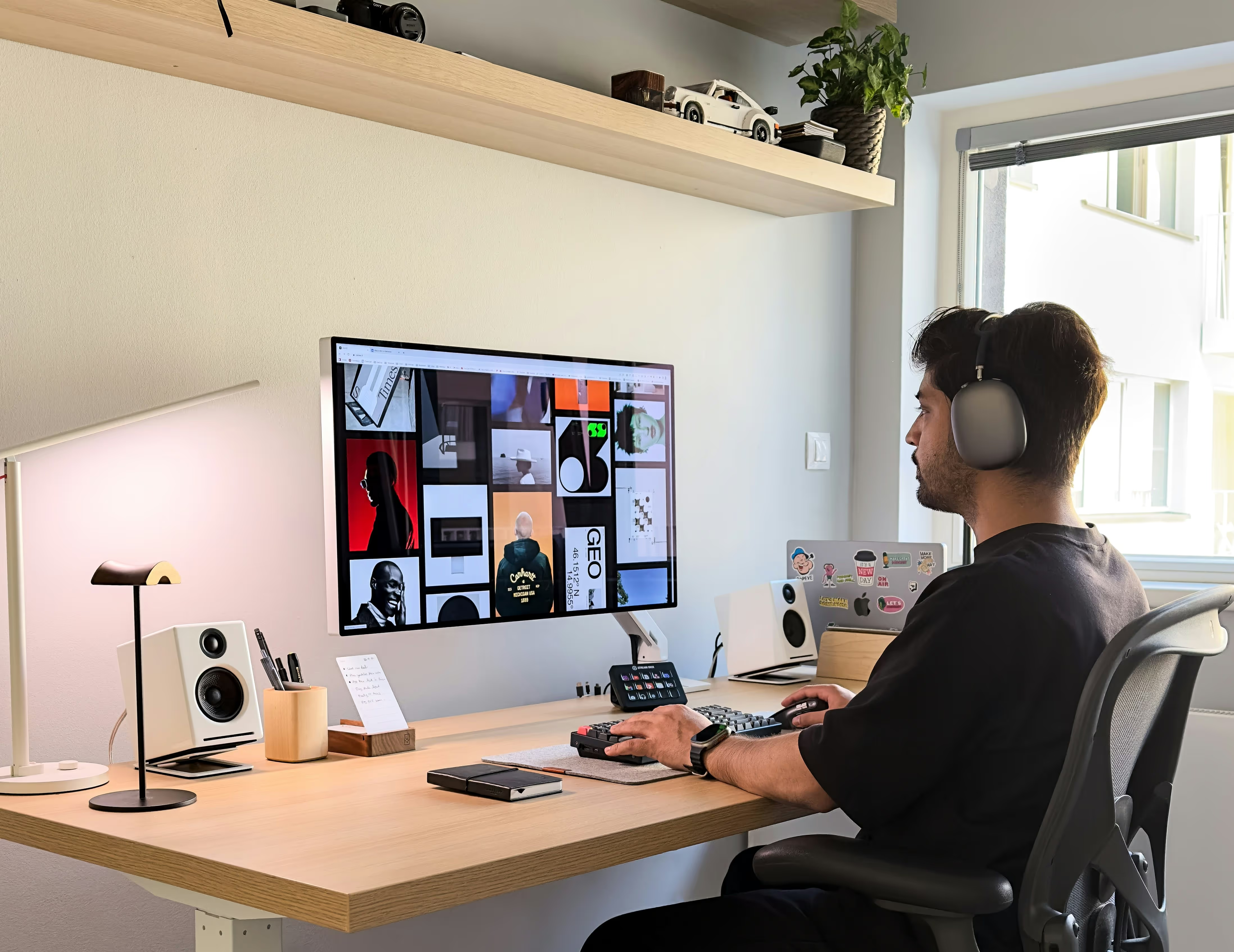
UI/UX Design Overview
User Interface (UI) and User Experience (UX) design are critical components of digital product development. They focus on creating intuitive and enjoyable experiences for users.
Best Practices
- Consistency: Maintain a consistent design language throughout your application.
- Feedback: Provide users with feedback on their actions to enhance interaction.
- Accessibility: Ensure your designs are accessible to all users, including those with disabilities.
By adhering to these best practices, designers can create products that not only meet user needs but also delight them.

Effective Communication Design Strategies
What is Communication Design?
Communication design is about conveying messages effectively through visual means. It combines elements of graphic design, typography, and layout to create compelling narratives.
Strategies for Success
- Know Your Audience: Tailor your designs to the preferences and needs of your target demographic.
- Clarity is Key: Ensure that your message is clear and easily understood.
- Visual Hierarchy: Use size, color, and layout to guide the viewer's attention.
Implementing these strategies can significantly improve the effectiveness of your communication design projects.
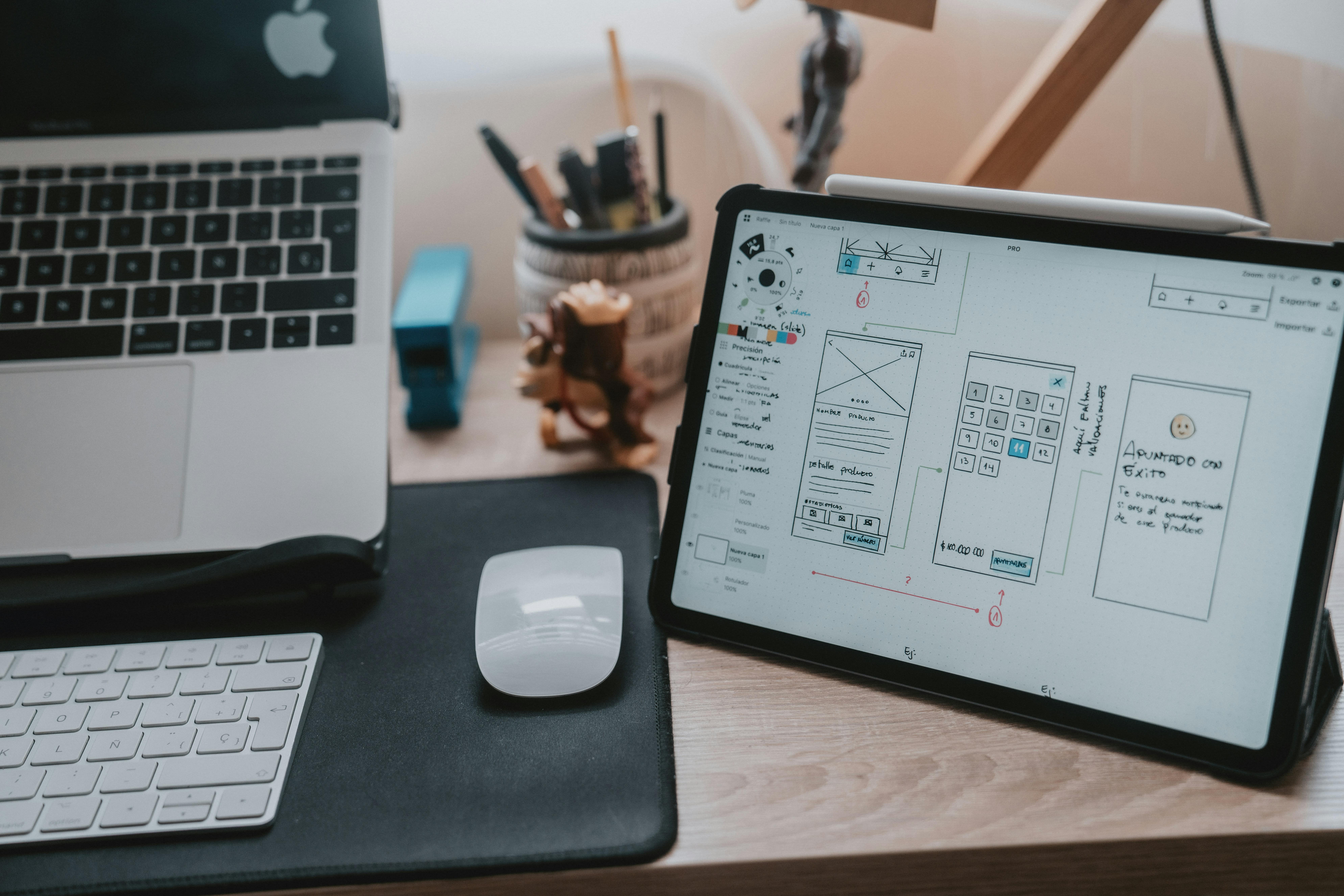
Understanding Product Design
Product design is a crucial aspect of creating items that are not only functional but also appealing to users. It involves a deep understanding of user needs, market trends, and the technical aspects of manufacturing.
Key Principles
- User-Centered Design: Always prioritize the user's experience.
- Functionality: Ensure the product serves its intended purpose effectively.
- Aesthetics: The visual appeal can significantly influence user satisfaction.
By focusing on these principles, designers can create products that resonate with users and stand out in the market.